Policies of remembrance
The Atlantic Wall, a permanent reminder of France’s humiliation
En Francia, el trauma de la II Guerra Mundial pervive durante muchas décadas. La colaboración con los ocupantes alemanes y la activa participación del gobierno de Vichy en la deportación de los judíos son realidades demasiado dolorosas y se silencian por completo. Las nuevas generaciones rompen poco a poco con estos tabús y el interés por aquel difícil pero relevante periodo histórico no deja de crecer en los últimos años. Ignorados durante mucho tiempo, los búnkeres del Muro Atlántico son ahora importantes lugares de memoria sobre la ocupación alemana de Francia. El papel de los trabajadores forzados extranjeros, rusos, árabes o españoles, permanece sin embargo aún hoy día en la sombra. Ni siquiera una placa marca los centenares de campos de trabajo de la OT distribuidos por toda la costa atlántica.
From Dunkirk to Hendaye, the Atlantic Wall has left countless concrete remains all along the coast [that] resemble funerary monuments to Nazism, the mausoleum of the immense project of "total war". But above all, they are witness to the invasion of a foreign army, witness to the humiliation of France. The remains of the Wall have ended up being preserved and maintained like a crime scene. They conceal memories that have not yet healed. They are shadows that continue to haunt us, asking us what we have done with our past, and why. Because for a long time, too long, we have never really wanted to know.
Jêrome Prieur, Le mur de l´Atlantique. Monument de la Collaboration, 2010.

Justice and (dis)remembrance of the Spanish workers on the Atlantic Wall
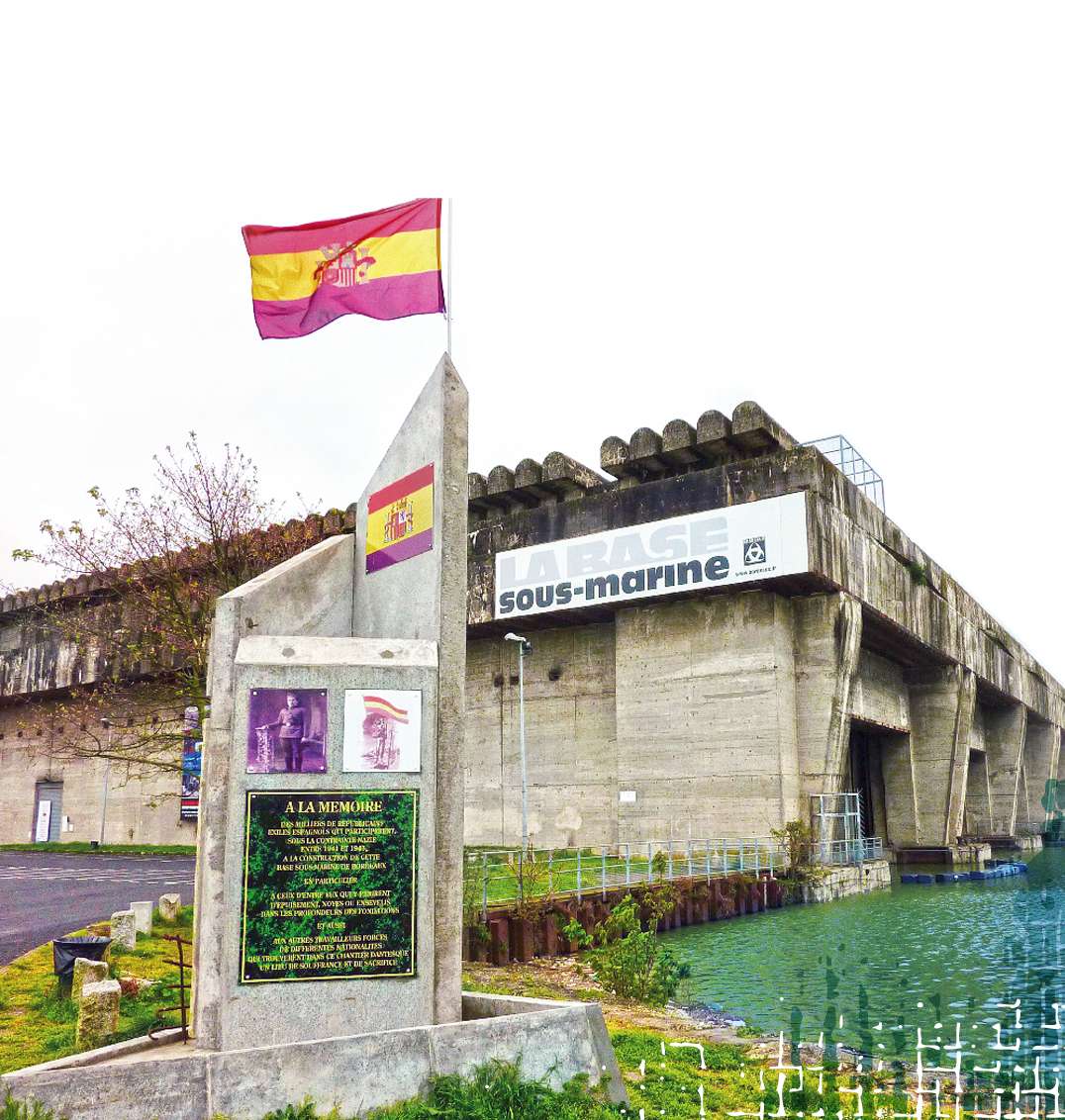
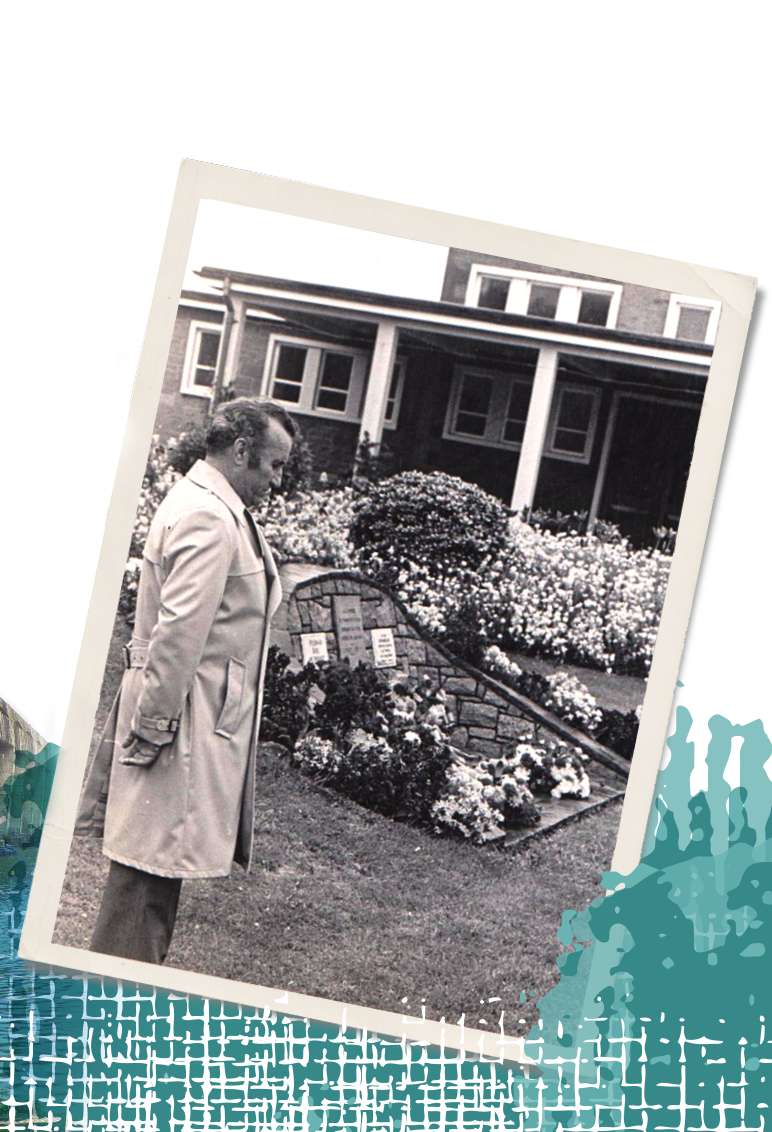
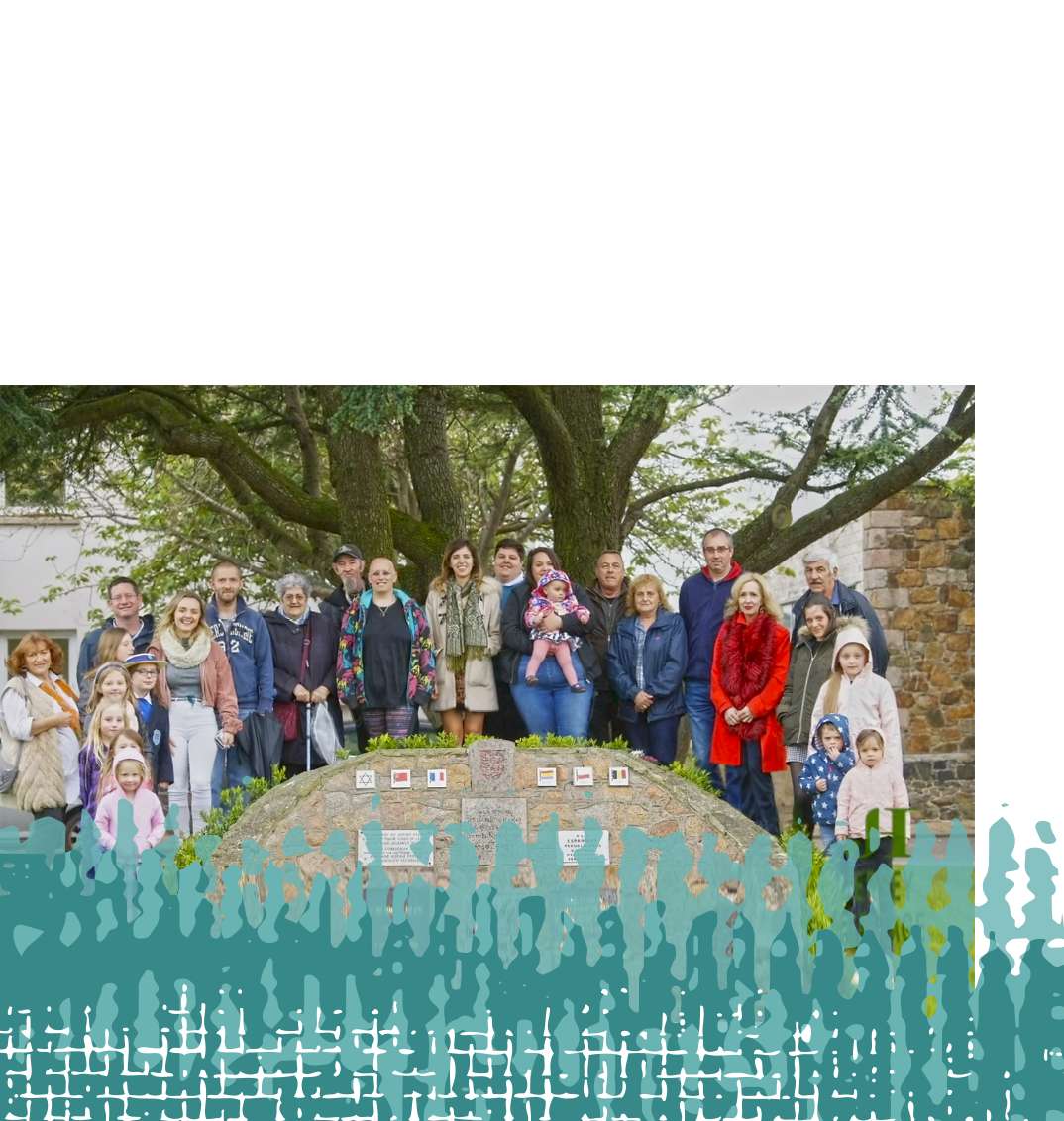
After the end of the Second World War, the Spanish exiles in France definitively settled in the country. So did the workers on the Atlantic Wall who, in the 1960s, demanded compensation from Germany like that received by their colleagues deported to the concentration camps. The matter reached the courts of justice, which eventually ruled that Nazi Germany had politically persecuted the Spanish Atlantic Wall workers. They became the first forced labourers of the Third Reich to be recognised as victims of Nazism. Despite this, the history of the forced labourers of the Atlantic Wall is gradually being forgotten. Only a few descendants of the Spanish from the Atlantic Wall keep their memory alive today with memorials and acts of homage on the Channel Islands and in cities such as Brest and Bordeaux.
Policies of remembrance