

After the ordeal of World War I, Europe hoped for a future of lasting democracy and peace. However, this new order proved to be illusory. Within a few years, authoritarian regimes took power in several countries and retaliation spread like wildfire. All over the continent, defensive structures emerged as protection against real or imagined enemies.
France set up the “Maginot Line” to protect the country from a German invasion. The Soviet Union built the “Stalin Line” to contain a possible Western offensive against the world’s first socialist country. Germany, Switzerland, Luxembourg, the Netherlands, Czechoslovakia, Belgium, Greece, Sweden and Finland also set up defence lines on their borders in the 1930s.
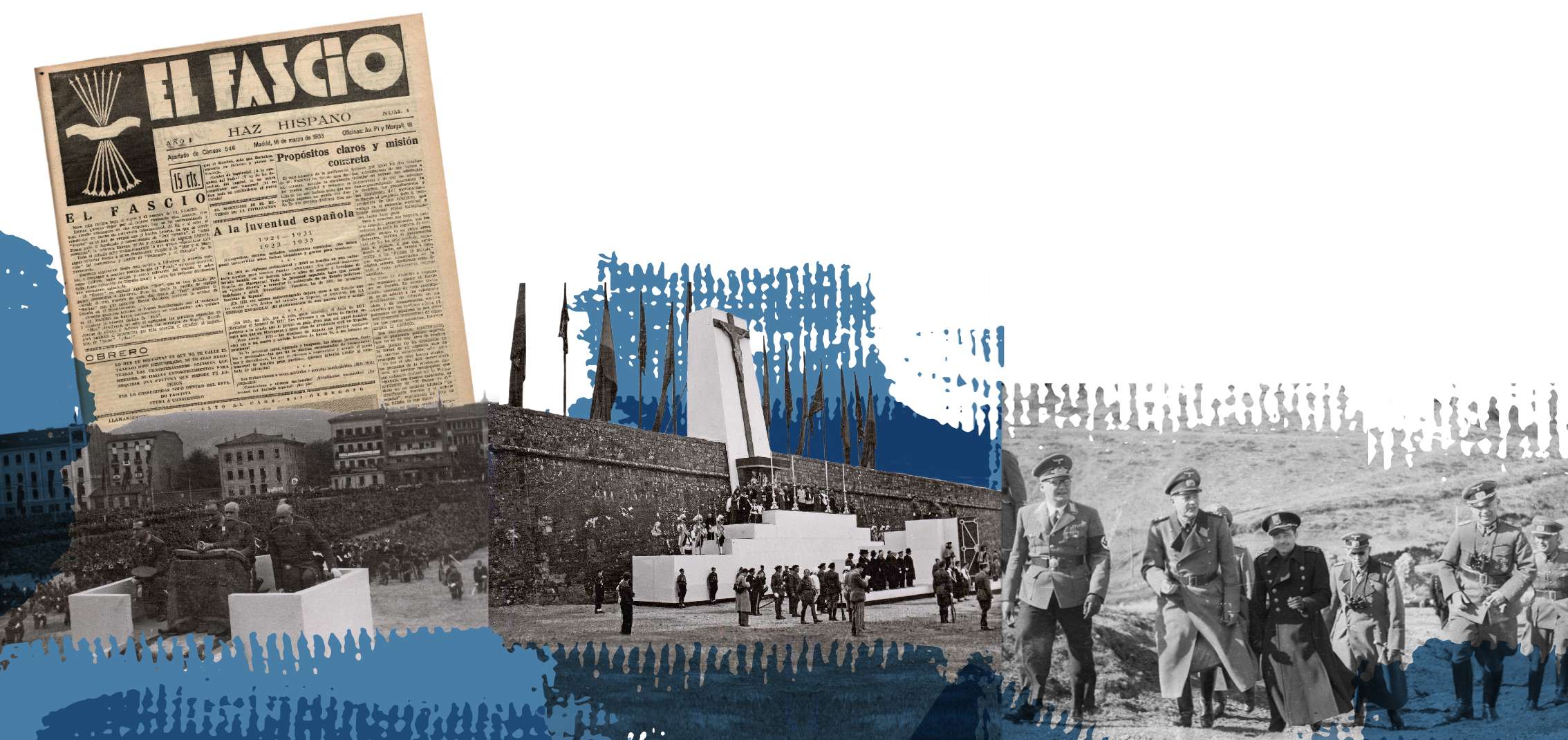
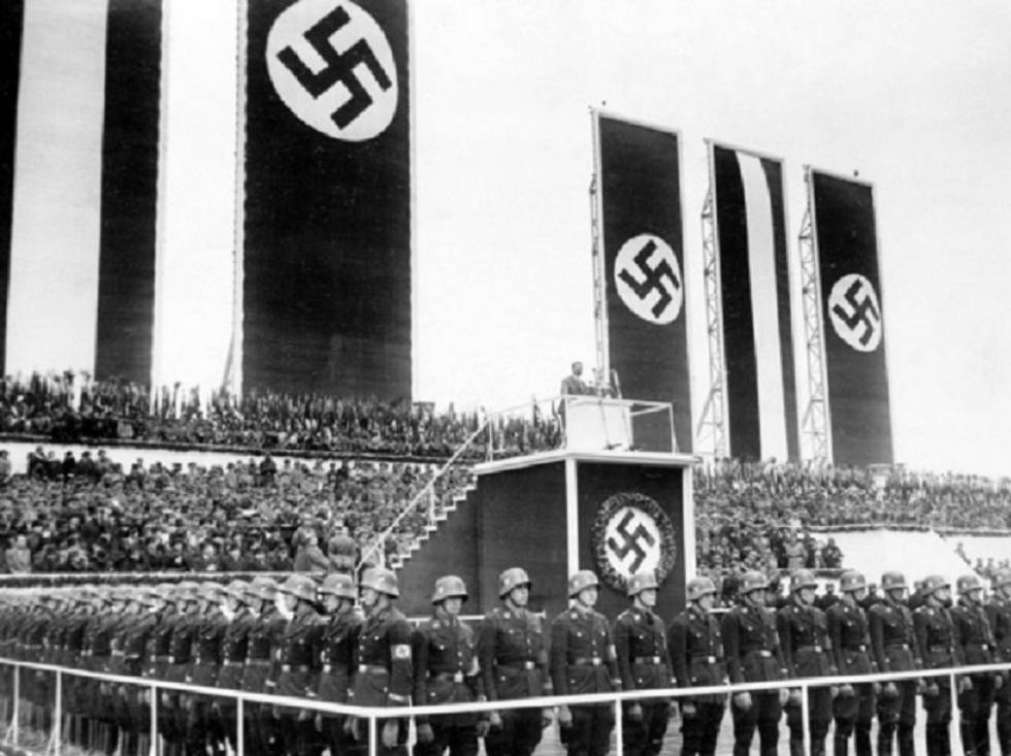
This fortification and border fortresses were conceived not only as protection against an external enemy, but also an ideological component, which was reinforced during the inter-war period (1918-1939), with the rise of fascist ideologies that came to power, with Mussolini in Italy and Hitler in Germany.
With the outbreak of World War II, these constructions took on an unprecedented dimension. All over “Hitler’s Europe”, the Germans erected infrastructures aimed at securing control of the territory conquered by the Wehrmacht.
In this way the fascist ideology spread conflict, war and violence throughout Europe as instruments for the achievement of its objectives, conceived as a higher good.
In Spain, too, the Franco regime, in its claim to defend isolation, devised a programme to build defensive structures along the Pyrenees and in various border areas, such as Gibraltar and the Moroccan Protectorate.