Policies of remembrance

fondo-hormigon-politicas-de-memoria

The Atlantic Wall, a permanent reminder of France’s humiliation

En Francia, el trauma de la II Guerra Mundial pervive durante muchas décadas. La colaboración con los ocupantes alemanes y la activa participación del gobierno de Vichy en la deportación de los judíos son realidades demasiado dolorosas y se silencian por completo. Las nuevas generaciones rompen poco a poco con estos tabús y el interés por aquel difícil pero relevante periodo histórico no deja de crecer en los últimos años. Ignorados durante mucho tiempo, los búnkeres del Muro Atlántico son ahora importantes lugares de memoria sobre la ocupación alemana de Francia. El papel de los trabajadores forzados extranjeros, rusos, árabes o españoles, permanece sin embargo aún hoy día en la sombra. Ni siquiera una placa marca los centenares de campos de trabajo de la OT distribuidos por toda la costa atlántica.

From Dunkirk to Hendaye, the Atlantic Wall has left countless concrete remains all along the coast [that] resemble funerary monuments to Nazism, the mausoleum of the immense project of "total war".  But above all, they are witness to the invasion of a foreign army, witness to the humiliation of France.  The remains of the Wall have ended up being preserved and maintained like a crime scene.    They conceal memories that have not yet healed.  They are shadows that continue to haunt us, asking us what we have done with our past, and why.  Because for a long time, too long, we have never really wanted to know.
Jêrome Prieur, Le mur de l´Atlantique. Monument de la Collaboration, 2010.


Justice and (dis)remembrance of the Spanish workers on the Atlantic Wall

After the end of the Second World War, the Spanish exiles in France definitively settled in the country.  So did the workers on the Atlantic Wall who, in the 1960s, demanded compensation from Germany like that received by their colleagues deported to the concentration camps.  The matter reached the courts of justice, which eventually ruled that Nazi Germany had politically persecuted the Spanish Atlantic Wall workers.  They became the first forced labourers of the Third Reich to be recognised as victims of Nazism.  Despite this, the history of the forced labourers of the Atlantic Wall is gradually being forgotten.  Only a few descendants of the Spanish from the Atlantic Wall keep their memory alive today with memorials and acts of homage on the Channel Islands and in cities such as Brest and Bordeaux. 

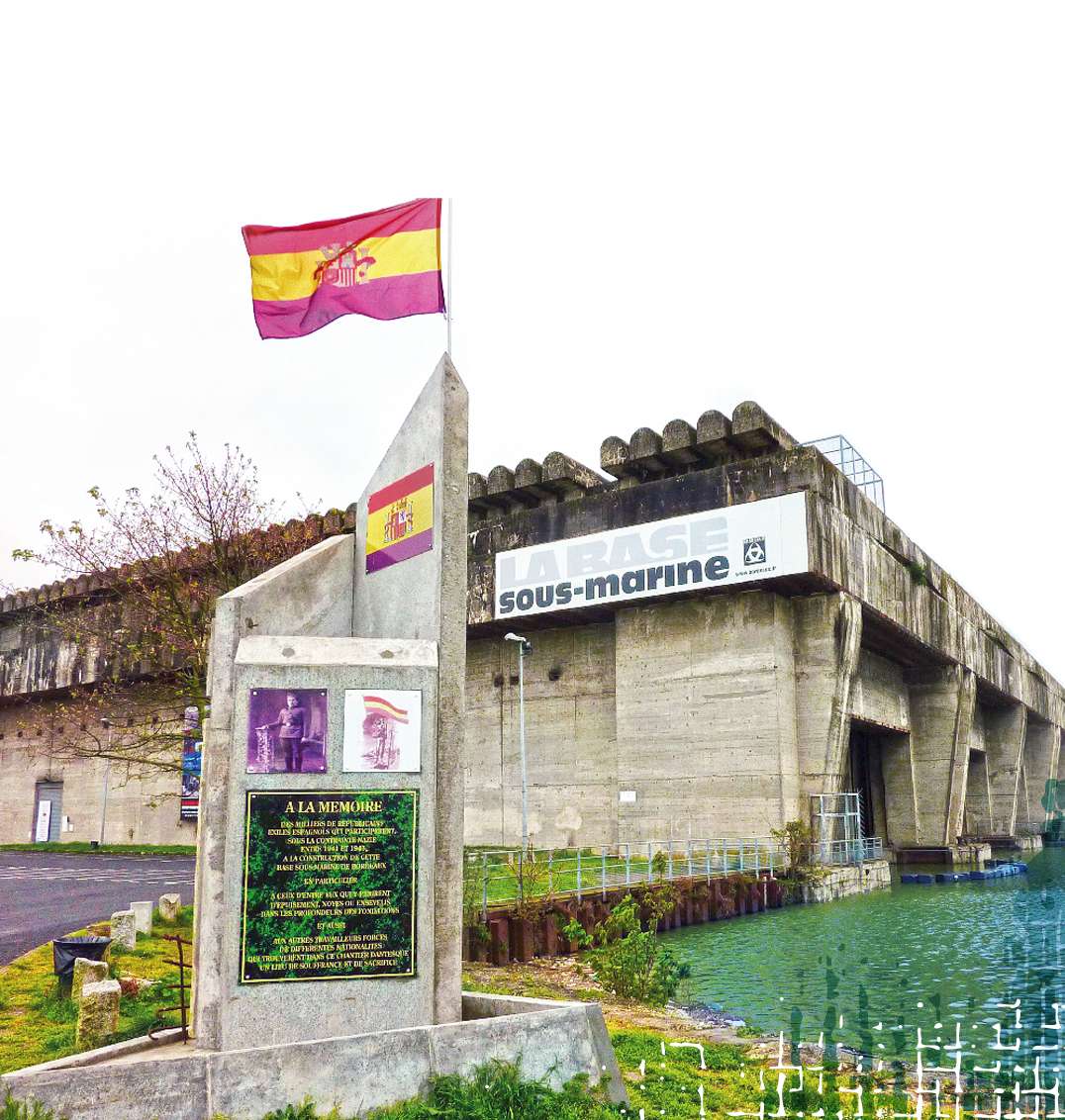
Base submarina alemana de Burdeos, construida entre 1941 y 1943. Durante décadas, esta mole estuvo abandonada y solo desde hace pocos años el Ayuntamiento de Burdeos le da un uso cultural. En 2012, algunos de los descendientes de los 3.000 trabajadores forzados españoles que construyeron la base levantaron un monumento en su memoria.
Bordeleko urpeko base alemaniarra, 1941 eta 1943 bitartean eraikia. Hainbat hamarkadatan, eraikin-puska hori bertan behera utzita egon zen, eta duela urte gutxi Bordeleko Udalak kultur erabilera eman zion. 2012an, basea eraiki zuten 3.000 langile espainiarren ondorengoetako batzuek monumentu bat eraiki zuten haien omenez. 
Base sous-marine allemande à Bordeaux, construite entre 1941 et 1943. Pendant des décennies, cette masse de béton a été abandonnée et, il y a quelques années seulement, la ville de Bordeaux lui a donné une utilité culturelle. En 2012, certains des descendants des 3 000 travailleurs forcés espagnols qui ont construit la base ont érigé un monument à leur mémoire.
Peter Gaida.
German submarine base at Bordeaux, built between 1941 and 1943. For decades, this eyesore was abandoned and only in recent years has Bordeaux City Council put it to cultural use. In 2012, some of the descendants of the 3,000 Spanish forced labourers who built the base erected a monument in their memory.
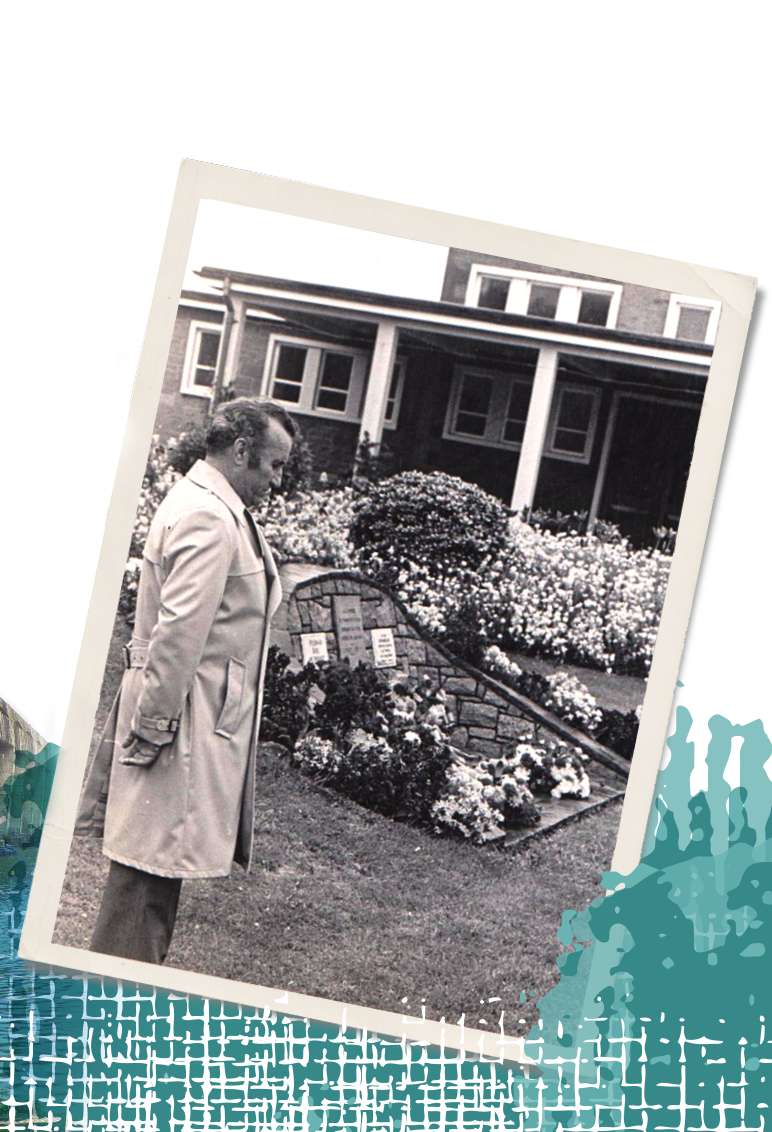
Francisco Font, trabajador forzado español en las Islas del Canal, siguió viviendo en Jersey al final de la guerra. En 1971 logró que las autoridades locales permitieran la creación de un monumento en memoria de los miles de trabajadores forzados extranjeros que construyeron el Muro Atlántico.
Francisco Font, Kanaleko uharteetan aritutako langile behartua. Gerra amaitzean Jerseyn bizitzen gelditu zen. 1971n, Atlantiko Harresiaren Jerseyko pusketa eraikitzen hildako milaka langile behartu atzerritarren omenez monumentu bat altxatzeko baimena jaso zuen hango agintarien aldetik.
Francisco Font, un travailleur forcé espagnol dans les îles anglo-normandes, a continué à vivre à Jersey après la fin de la guerre. En 1971, il a réussi à obtenir des autorités locales la création d'un mémorial aux milliers de travailleurs forcés étrangers qui ont construit le mur de l'Atlantique.
Gary Font.
Francisco Font, a Spanish forced labourer in the Channel Islands, continued to live in Jersey at the end of the war. In 1971 he succeeded in getting the local authorities to allow the creation of a memorial to the thousands of foreign forced labourers who built the Atlantic Wall.
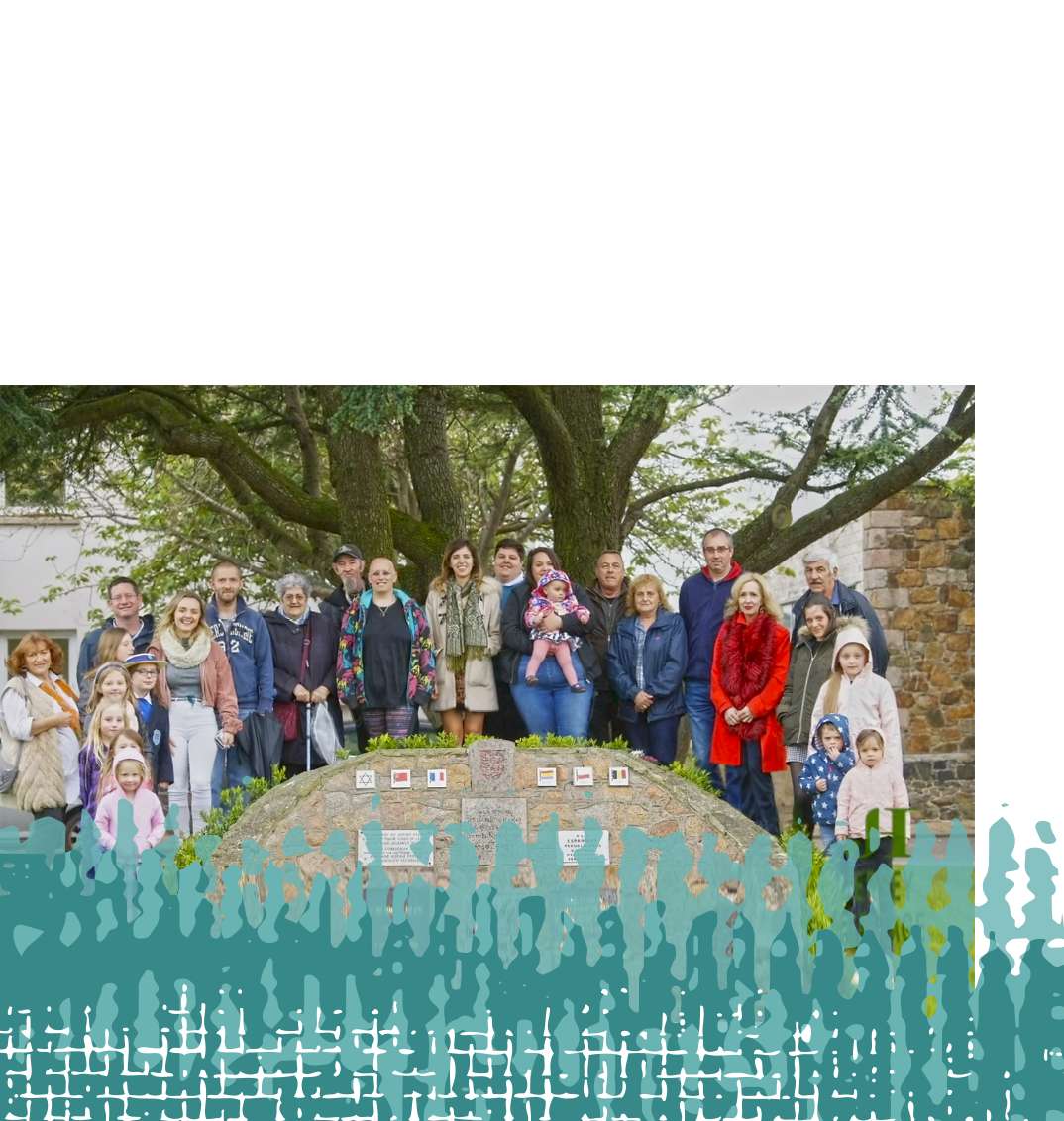
Descendientes de Cristóbal López Rubio en el monumento a los trabajadores forzados extranjeros de las Islas del Canal.
Cristóbal López Rubioren ondorengoak, Kanaleko uharteetako atzerriko langile behartuei egindako monumentuan.
Des descendants de Cristobal Lopez Rubio devant le monument aux travailleurs forcés étrangers dans les îles Anglo-Normandes.
Jersey Heritage.
Descendants of Cristobal Lopez Rubio at the monument to the forced labourers of the Channel Islands.