
The use of forced labour in the fortification works of both territories is not an isolated case within European states, since, despite the progressive, and always conflictive, abolition of slavery in the 19th century, states have continued to use different forms of forced labour, especially in the mid-20th century. The world war itself is carried out through the forced recruitment of millions of young people in all continents.
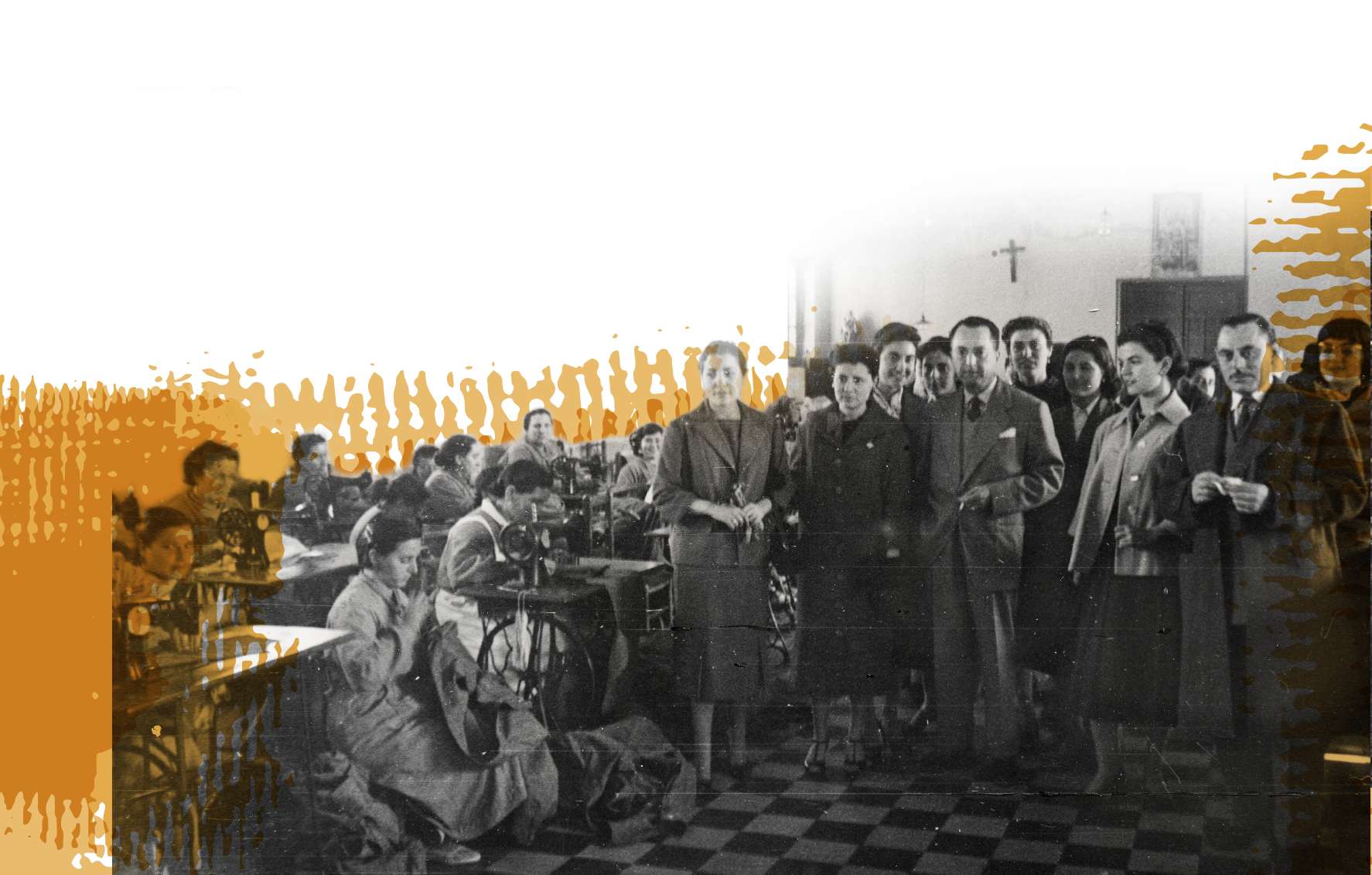
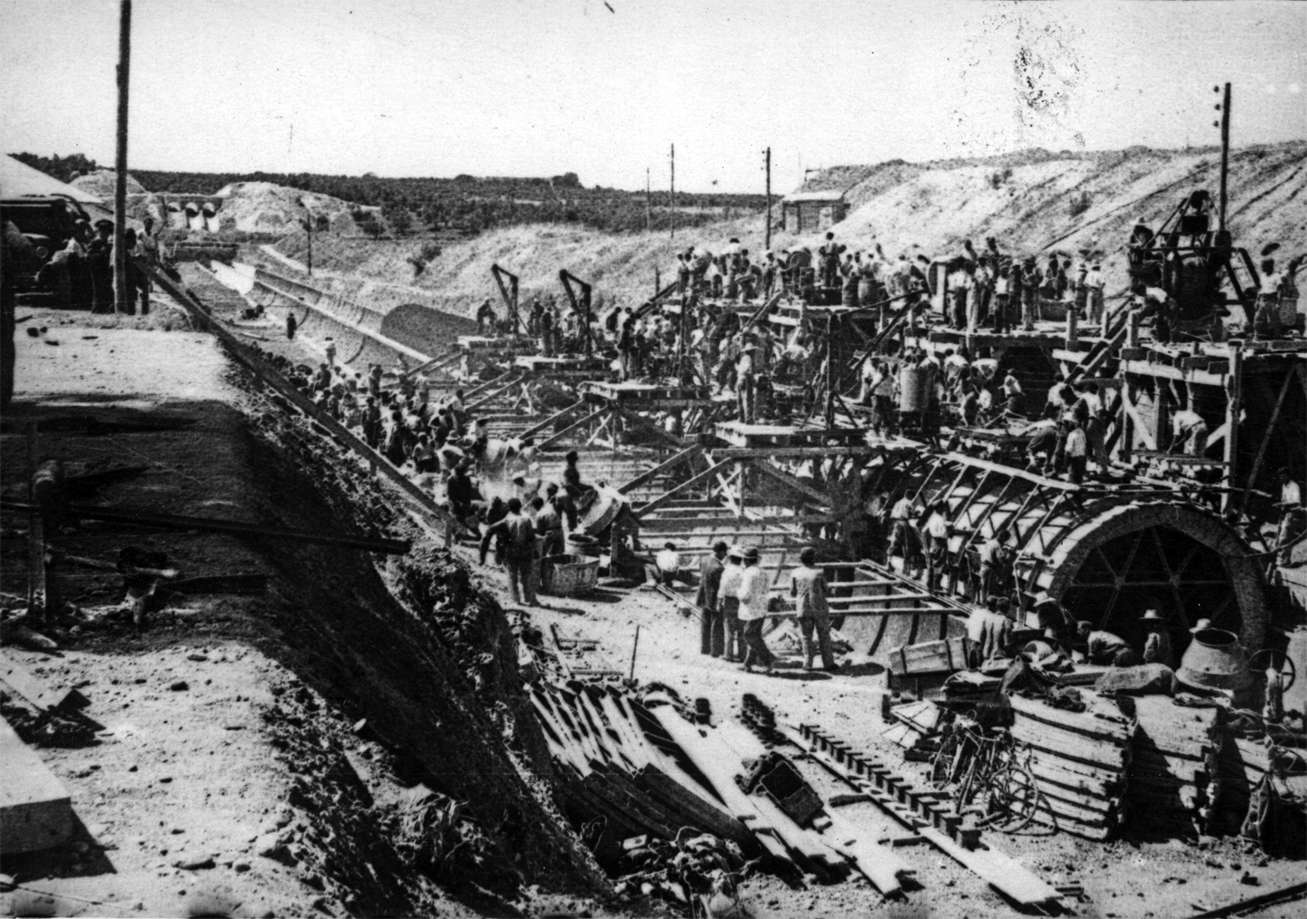
In the case of Spain, more than 100,000 prisoners worked in battalions dependent on the Inspectorate of Prisoners’ Concentration Camps until 1945, while tens of thousands of male and female prisoners were subjected to the System of Redemption of Sentences through Labour, valid between 1938 and 1995.
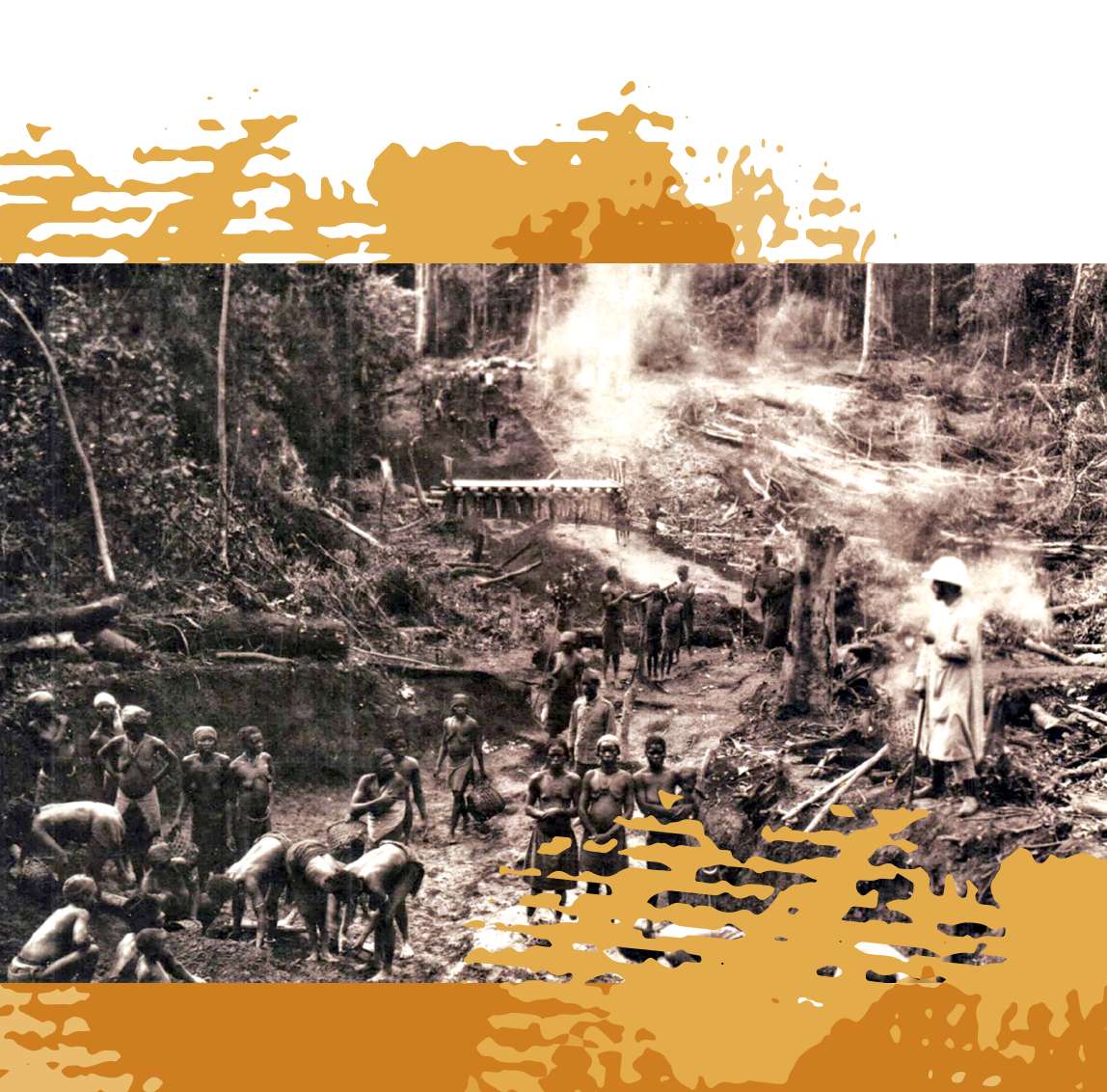
Through these two modalities, both wartime and military projects are developed, as well as civilian work in industry, mining, agriculture, public works and prison workshops. Not only the state but also private companies, individuals and the Church benefit from such works. In addition, Equatorial Guinea continues the system of “services”, a system of compulsory labour that was used to build many roads.
Nazi Germany, for its part, resorted to forced labour, especially from 1939 onwards, due to the lack of manpower because of the war. From that time onwards, more than 13 million people were forced to work for the Third Reich. Most of them were recruited through forced migration and deportation from various countries. In addition, millions of prisoners of war and concentration camp prisoners were exploited to the point of complete exhaustion.
Thanks to all of them and their work in all sectors of the economy, Germany was able to sustain its wartime economy, with a network involving the SS, the Wehrmacht, the Organisation Todt and hundreds of private companies.
Forced labour was also present in colonial Africa, where various forms of compulsory labour were imposed on native populations. In the USSR, millions of dissidents were forced to work, especially under Stalinism.