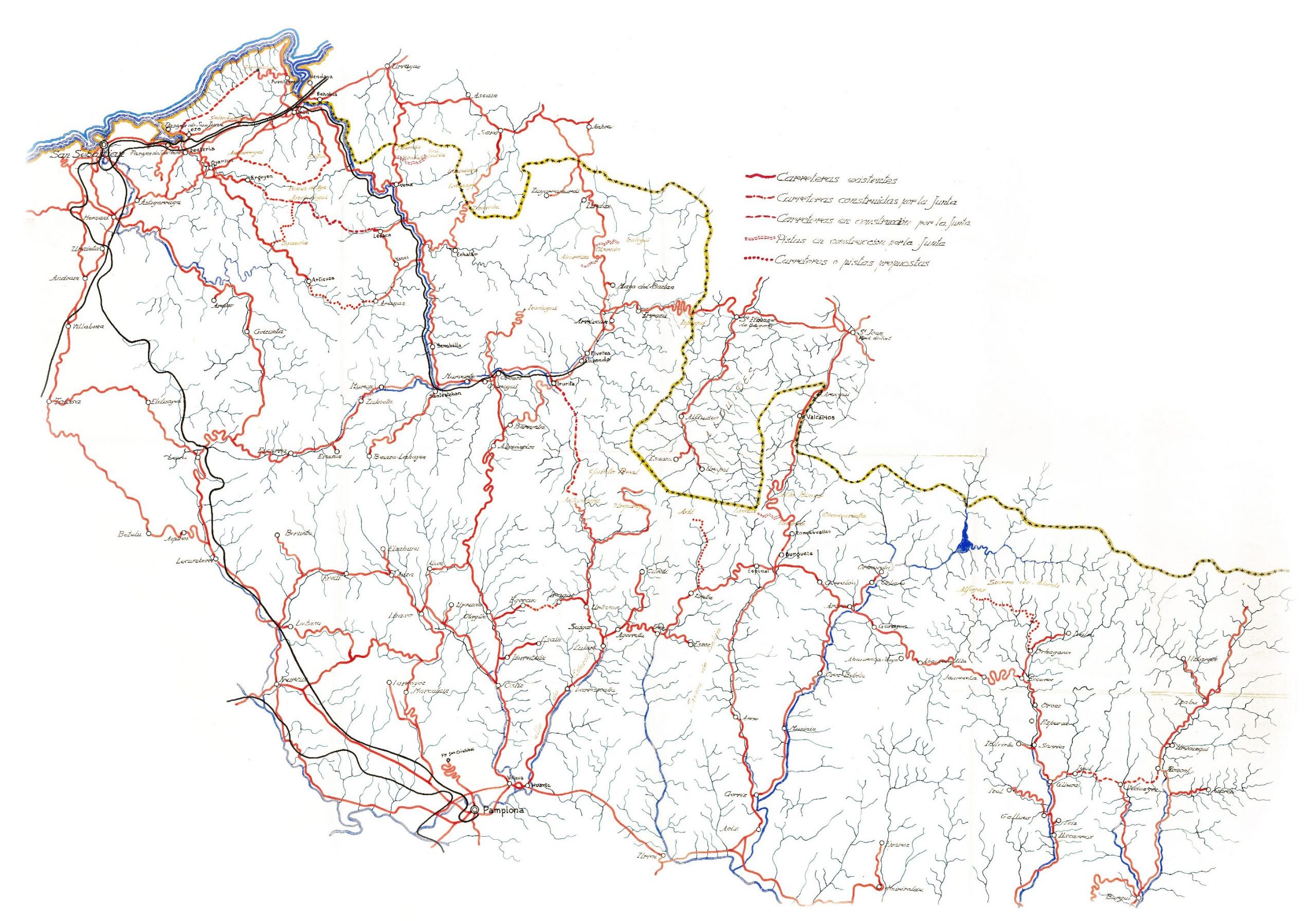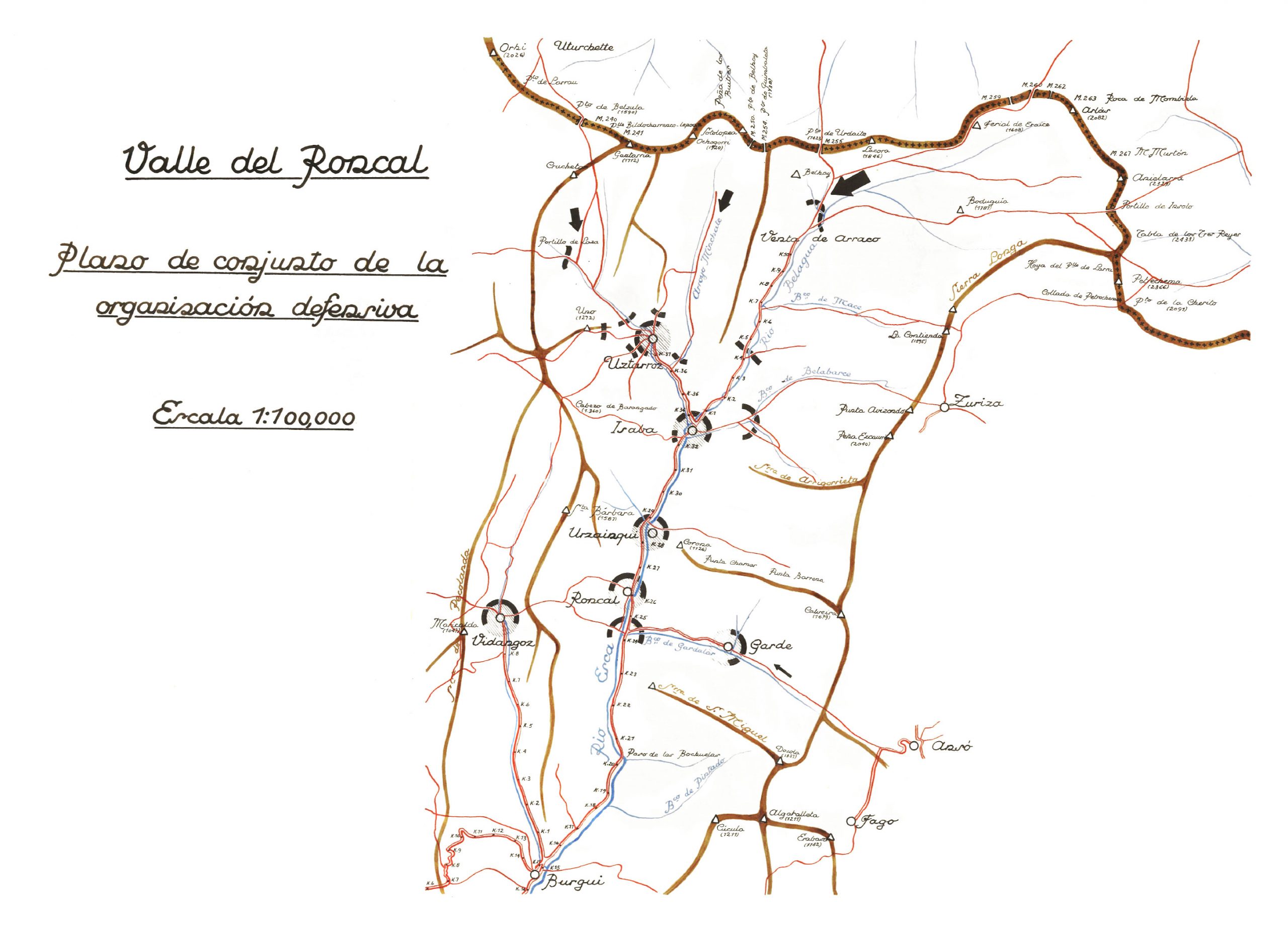


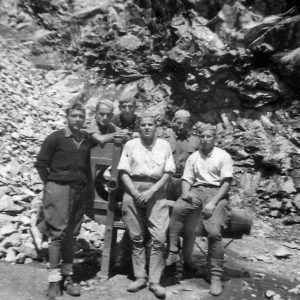
The Pyrenees were fortified using distinct types of forced labour, either battalions dependent on the concentration camp system, as part of the political repression of those defeated, or military units made up of conscript soldiers who had to endure long military service.
After the war, the Pyrenees were the destination of several forced labour battalions under the Inspectorate of Concentration Camps. During 1939, they comprised mainly prisoners of war who had been ideologically classified in concentration camps as “disaffected” with the so-called “Glorious National Movement”. They were categorised as such even if their sympathy for the regime was simply dubious.
These battalions were reorganised in 1940 with young Republican combatants forced to do military service again (without taking into account the service they had done for the Republic during the war) or with new recruits incorporated into the concentration camp system after being classified as “disaffected”. Between 1938 and 1942 at least 20,000 captives worked in these battalions in the Basque-Navarre Pyrenees.
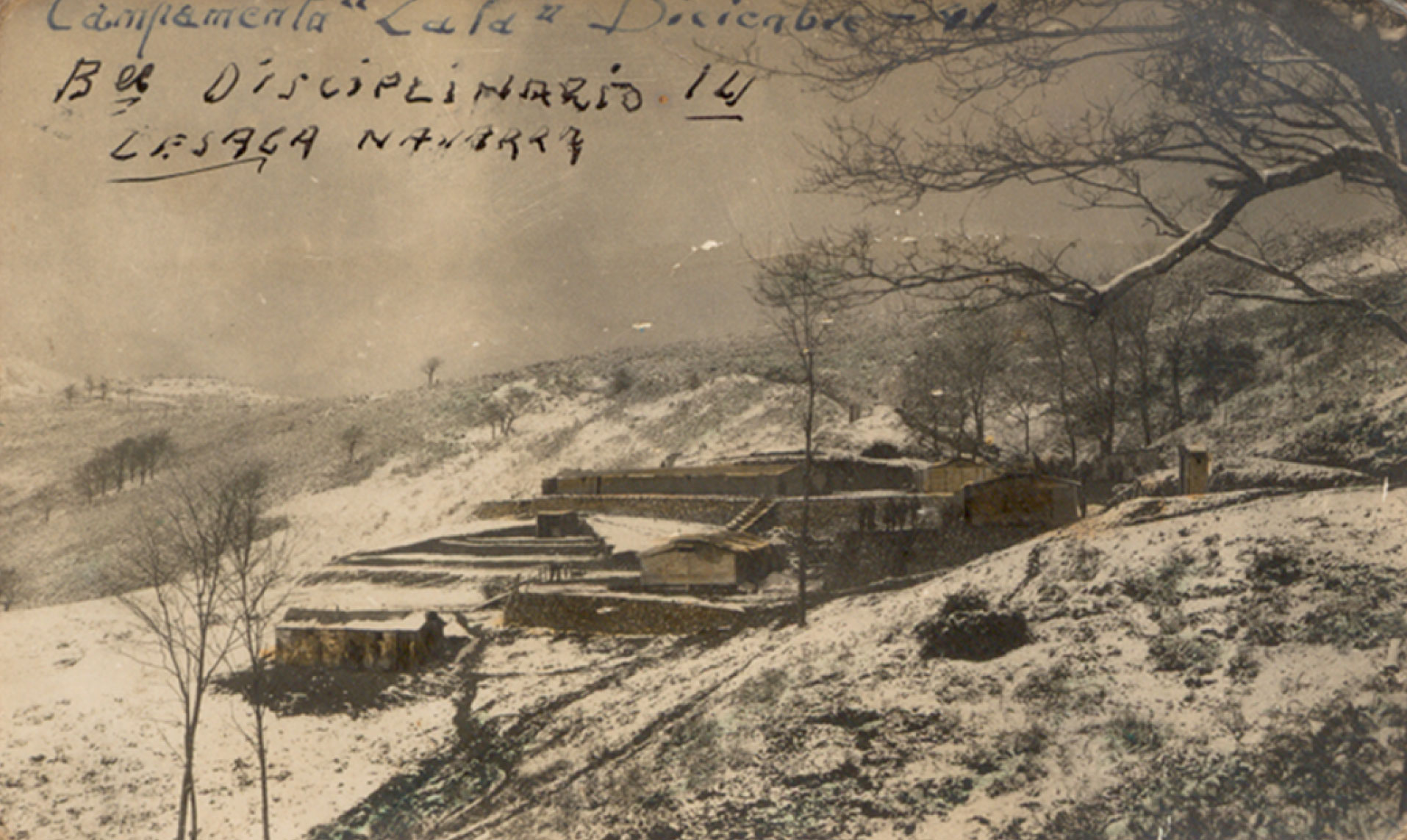
On the other hand, the number of replacement soldiers working in the fortifications has not yet been confirmed, although we know that there were thousands, especially from 1943 onwards.
In November 1938, Franco put forward a proposal for regulations in which he explained the threefold purpose of prison labour, in addition to the “immediate material usefulness derived from their implementation”:
1. “That of compensation, as far as possible, for the burden caused by keeping and maintaining prisoners.
2. “That of contributing directly or indirectly to the reparation of the damage and destruction perpetrated by the Marxist hordes.
3. That of achieving the correction of prisoners, providing them with the means and occasion to demonstrate (…) their degree of moral, patriotic and social rehabilitation, acquiring the habit of profound discipline, prompt obedience and compliance with the principle of Authority, precisely and very especially in work, as a prior and indispensable basis for their adaptation to the social environment of the New Spain”.
Provisional system of internal rules and regulations of the Workers Battalions. 23 December 1938.