
Forced labour
Extreme working conditions
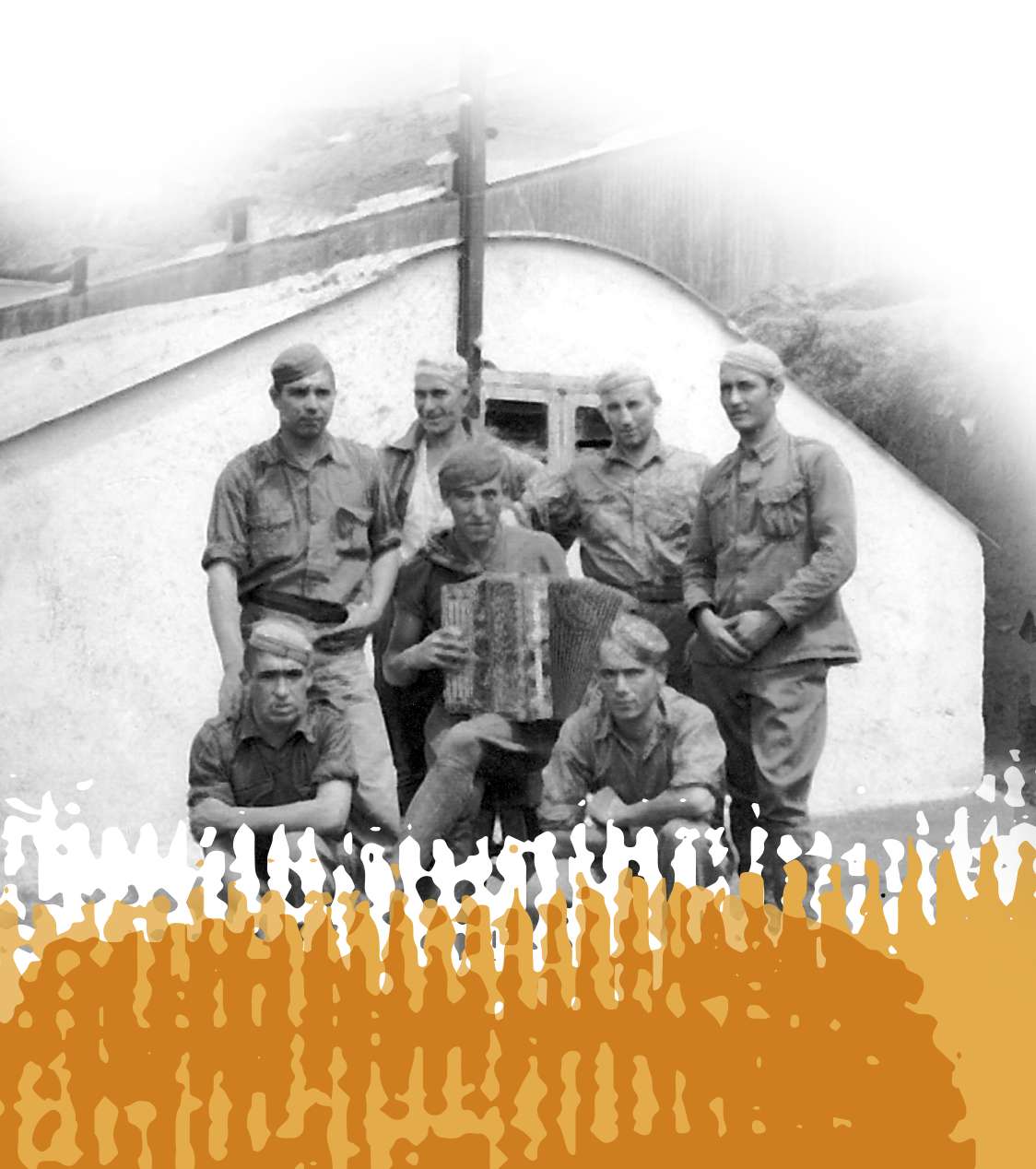
The life of most of those who built the fortifications and roads in the Pyrenees was extremely hard. Mountain climate, poor working-, hygienic- and sanitary- conditions, food and accommodation in tents or barracks made this work a daily struggle of misery.
There was nothing but beatings, little bread and many beatings.
Antonio Viedma. BDST nº 6, Igal (Navarre).
The prisoners lived in extreme situations caused by the general shortage of food and warm clothing, supplied by the military authorities, particularly the concentration camps, on which the forced labour battalions depended.
In addition, the little money that the workers received was no guarantee that they could buy more food or improve their poor living conditions, as it covered no more than the minimum cost of stamps, tobacco or wine.
In the Disciplinary Battalion of Working Soldiers No. 38 (...) The next transfer was to Vidángoz, to build a road (...) We spent many days without food and many others with a banana and a piece of bread (...) We did eight hours of opencast mine work, but when they punished us they kept us until they got tired (...) From here we went to another village called Igal. A battalion of Andalusians had lived here too (...) When we got to the barracks, they were filthy. You could see that they had been more overcrowded and more starved than us. They lacked spirit, they were living dead.
Félix Padín Gallo. Prisoner in BDST nº 38, Igal (Navarre).
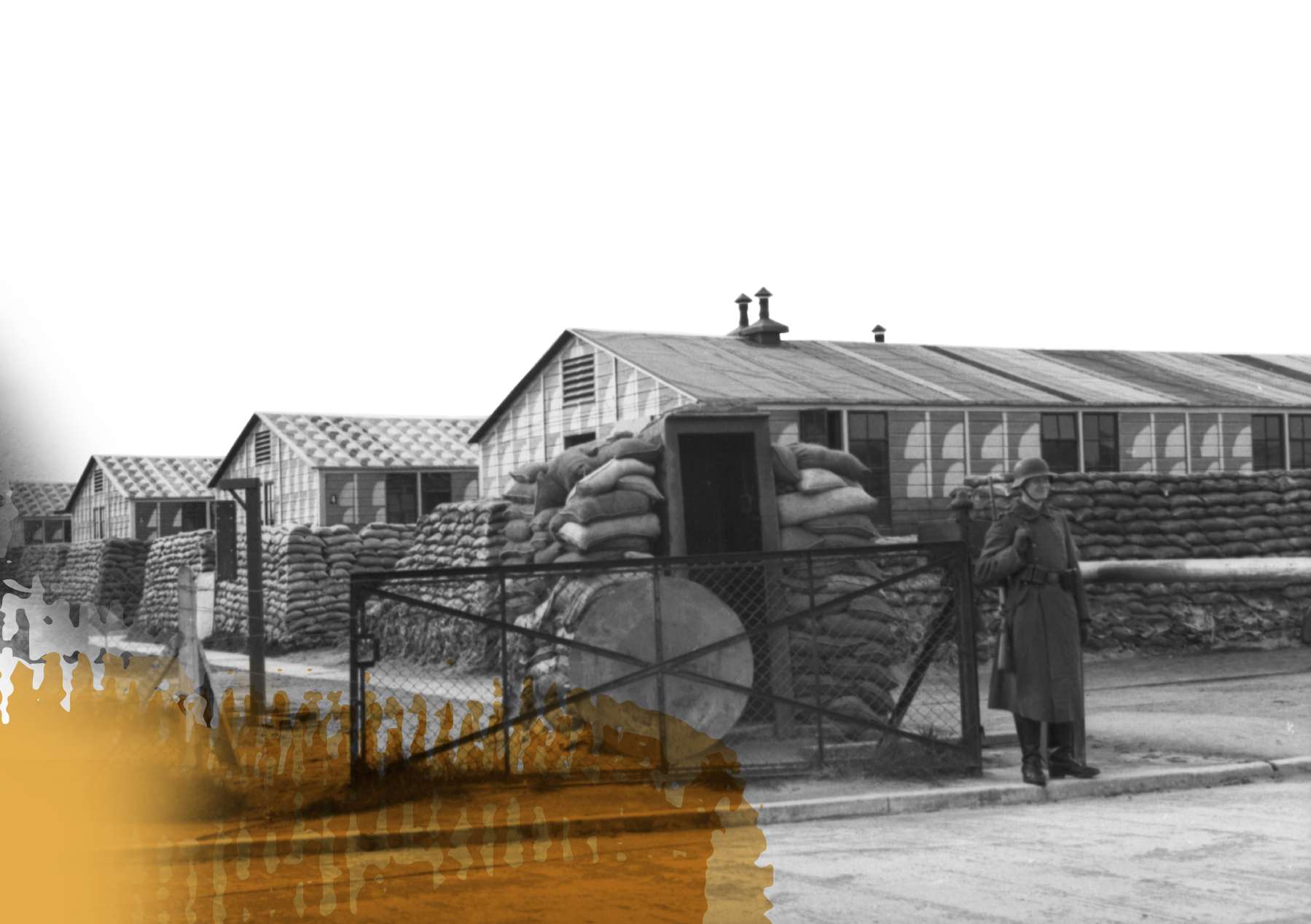
The Atlantic Wall works, the fortification of the Channel Islands is one of the most gruelling destinations. Strenuous working hours, starvation, punishments and executions are part of the daily life of the forced labourers. Hundreds of workers die in the construction of the Atlantic Wall.
In the lager [prisoner-of-war camp for officers] we were only Spanish, about 2,000. We were guarded by gendarmes and on the way to the construction site armed members of the OT escorted us. We worked 12 hours a day. In four months I had only one day off. I received no salary, only some money from time to time, which was barely enough to buy some food on the black market. We were not allowed to write nor were we allowed to receive letters or parcels. My family wouldn't have been able to send me anything either because they didn't know where I was. The mistreatment consisted of kicks and slaps, as well as a kind of cruel and absurd game: falling forward with your arms by your side; only when you were about to hit the ground could you cover your face with your hands; if you didn't, you were forced to fall again. In Jersey, the mistreatment we received was much harsher. I only remember the escape of one Spanish comrade, who ended up being arrested and sent to a camp in Germany.
José Barros. Republican exile. He worked at the submarine base in La Rochelle and on the Isle of Jersey.
Forced
labour
- Who built the Fortifications in the Pyrenees?
- Who built the Atlantic wall?
- Extreme working conditions
- The extensive geography of reinforced labour
- The extensive geography of reinforced labour
- Vicente Gasulla-Solé
- From exile to forced labour
- Marce Melgar: Photographs and solidarity
- Weaving networks of solidarity